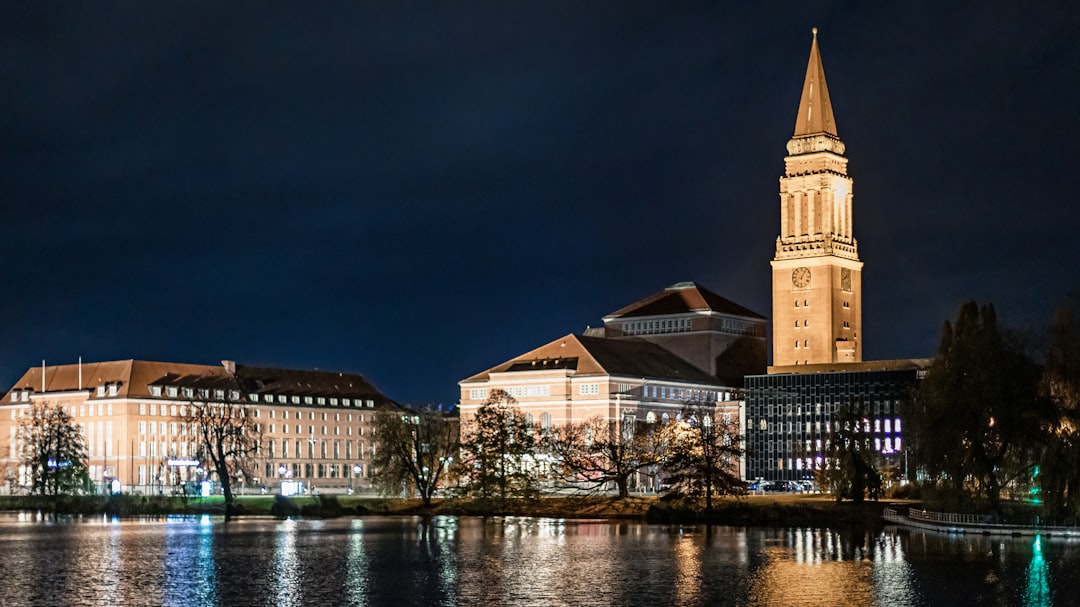
Germany: Where Castles Rise and Rivers Remember
From the Rhine to the Alps — one country, endless stories
From the Rhine to the Alps — one country, endless stories
Germany is a land of forest and stone, where medieval towns cling to river bends and baroque palaces rise from hillsides like frozen music. From the Brandenburg Gate to the fairy-tale towers of Bavaria, every road leads deeper into a past that still breathes.
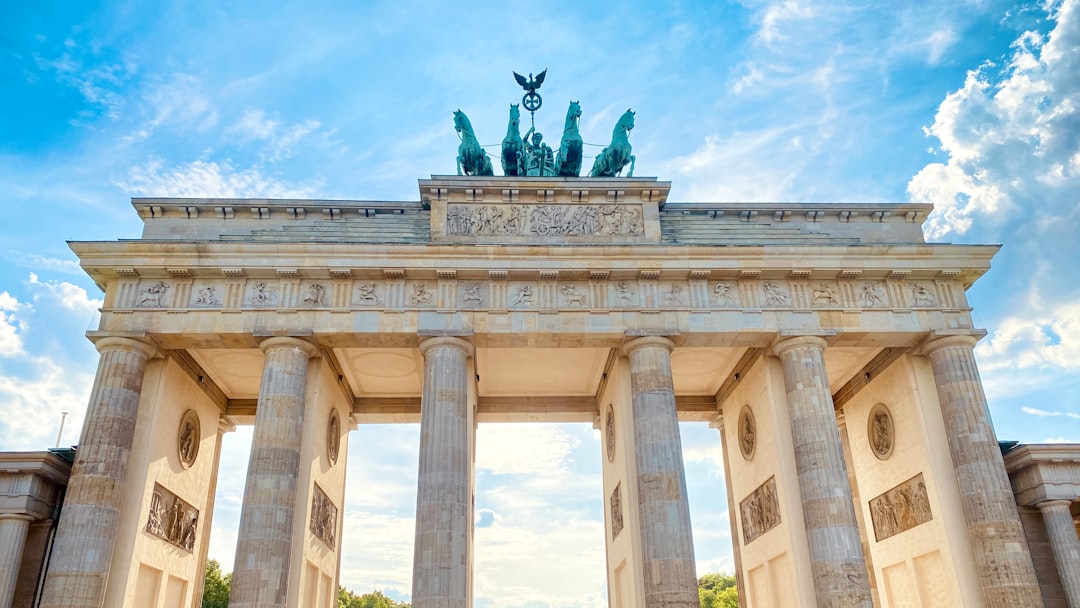
Berlin's neoclassical arch has witnessed parades, division, and reunification — a stone sentinel where history bends into a single symbol of hope. Walk through at dusk and the quadriga above seems to lead not just westward but into the future.
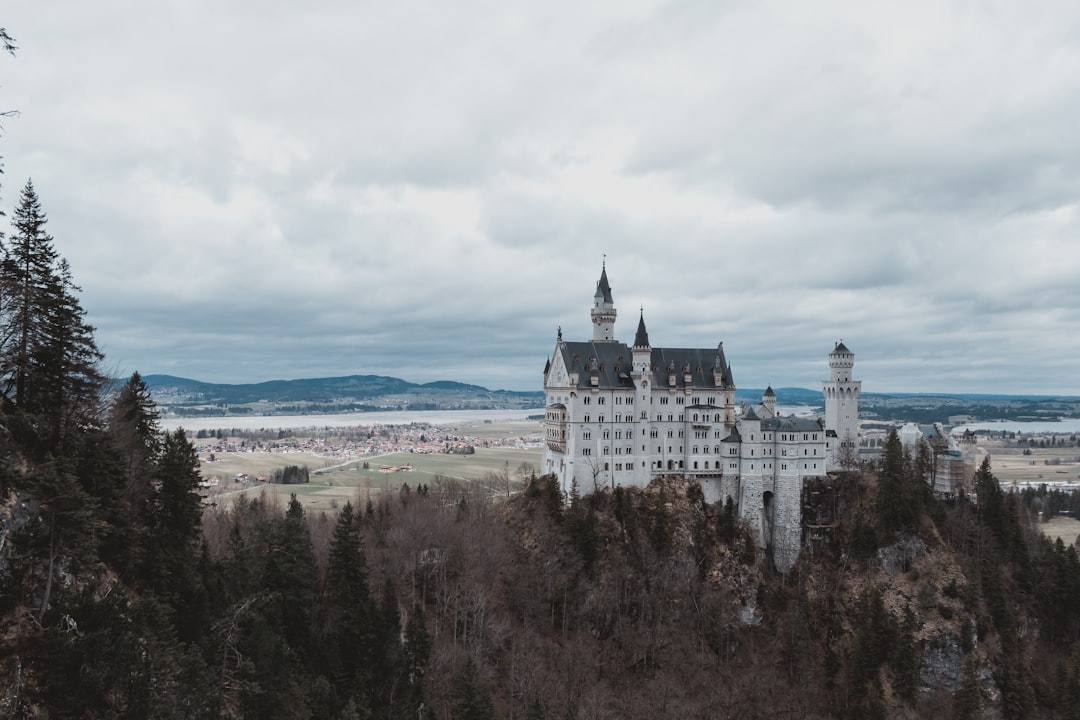
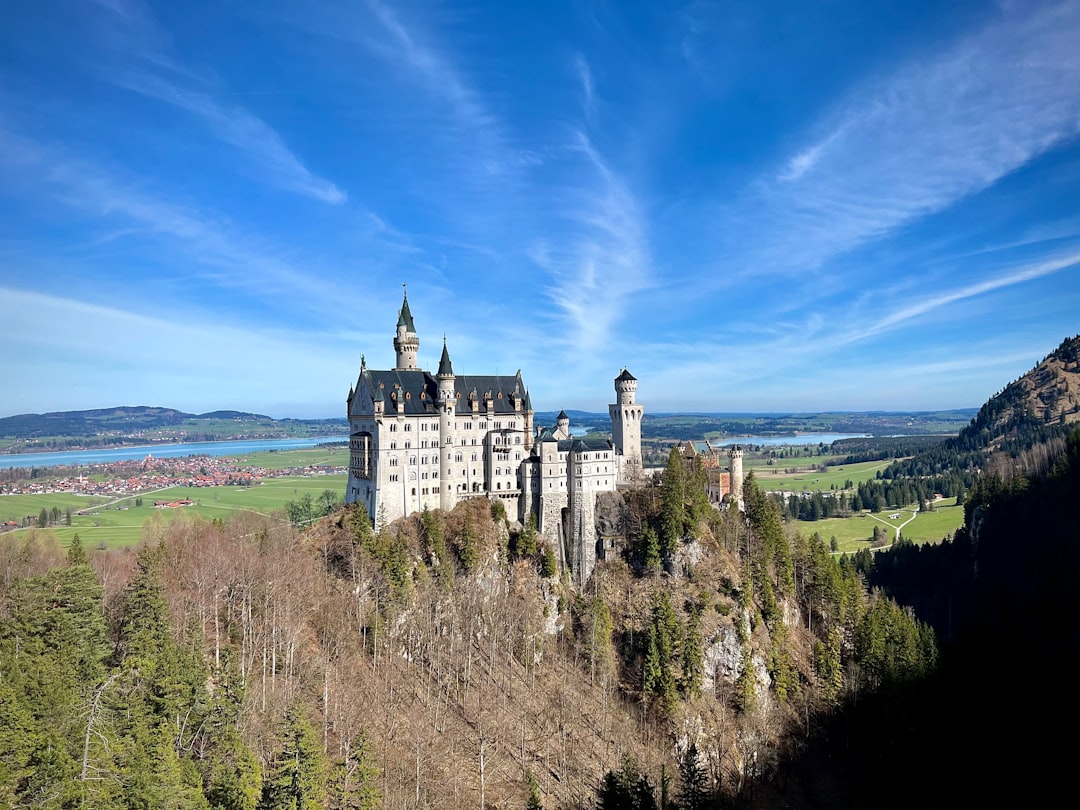
Ludwig II's fantasy rises from the Bavarian Alps like a wedding cake for a dreamer — white towers against green hills, the blueprint for every fairy-tale castle ever drawn. The view from Marienbrücke is the one that launched a thousand postcards.
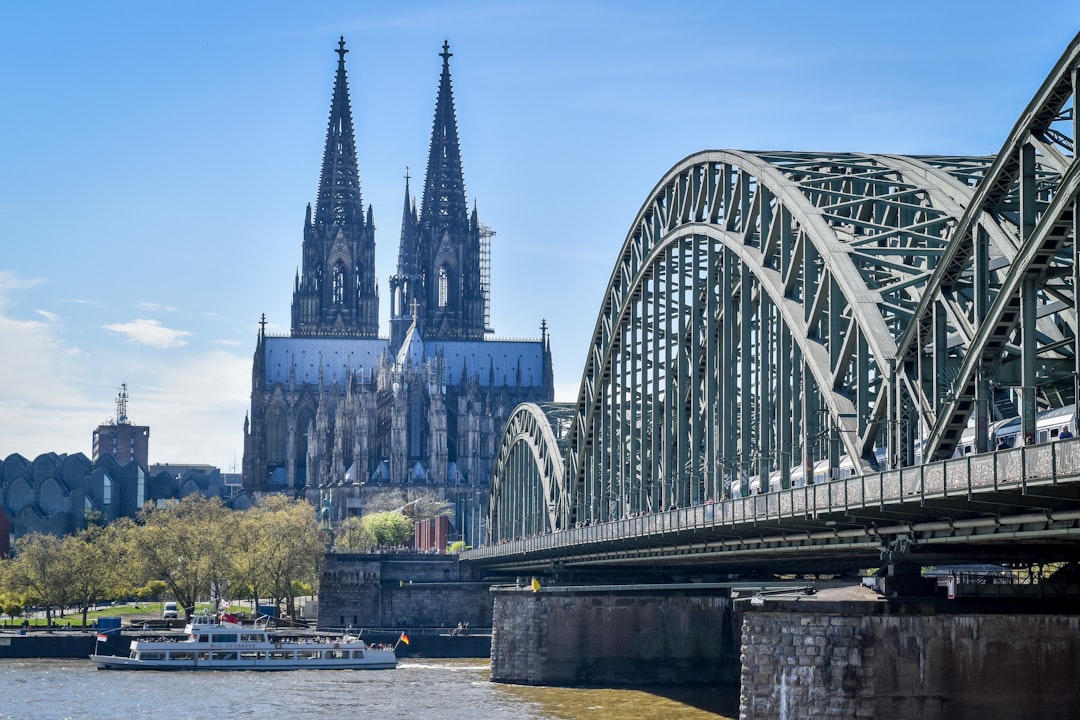
Twin spires pierce the sky above the Rhine — the largest Gothic church in Northern Europe, built over six centuries of faith and ambition. Step inside and the stained glass turns daylight into something sacred; climb the tower and Cologne unfolds at your feet.
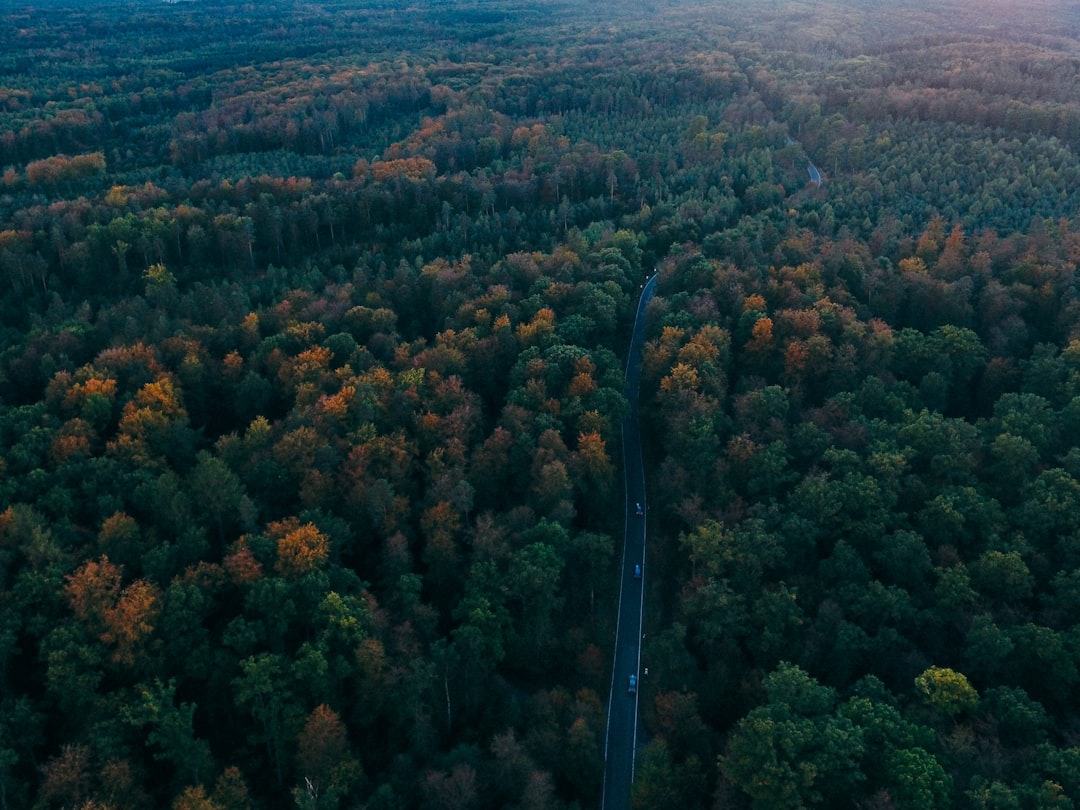
Dense fir and spruce roll over the hills of Baden-Württemberg, where cuckoo clocks tick and cherry cake bears the region's name. Drive the Schwarzwaldhochstraße at dawn and the mist between the trees feels like the raw material of every German fairy tale.
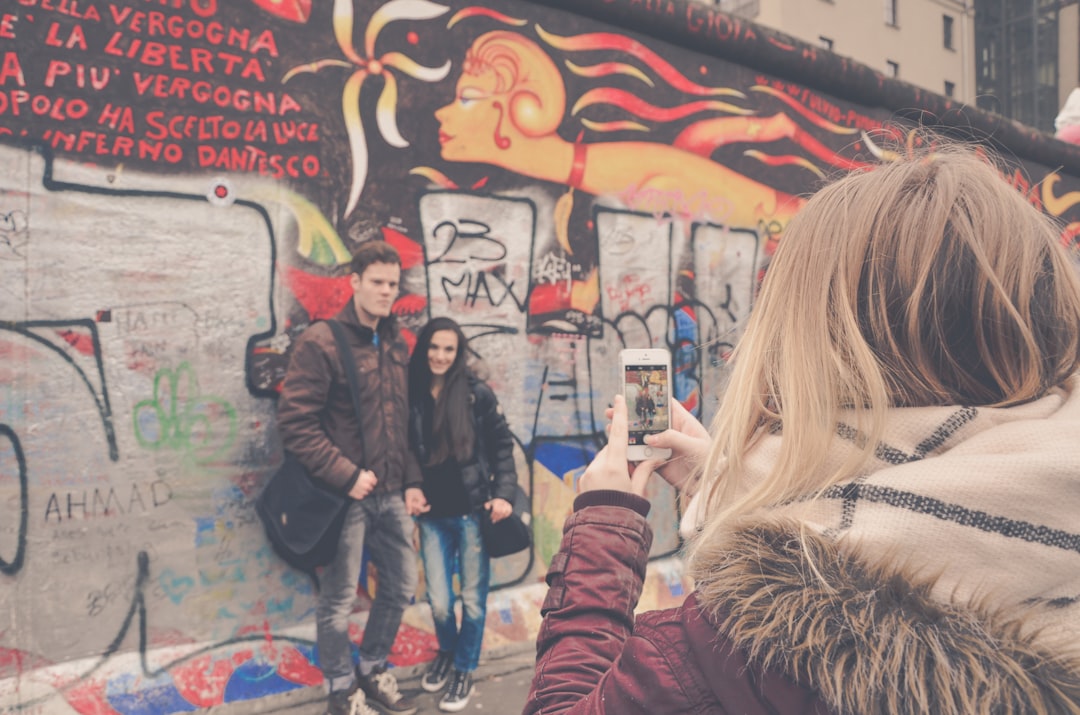
A mile of the Berlin Wall still stands along the Spree, transformed into the world's longest open-air gallery. Murals of doves, faces, and slogans turn concrete into protest and hope — the wall that once divided a city now unites it in colour.
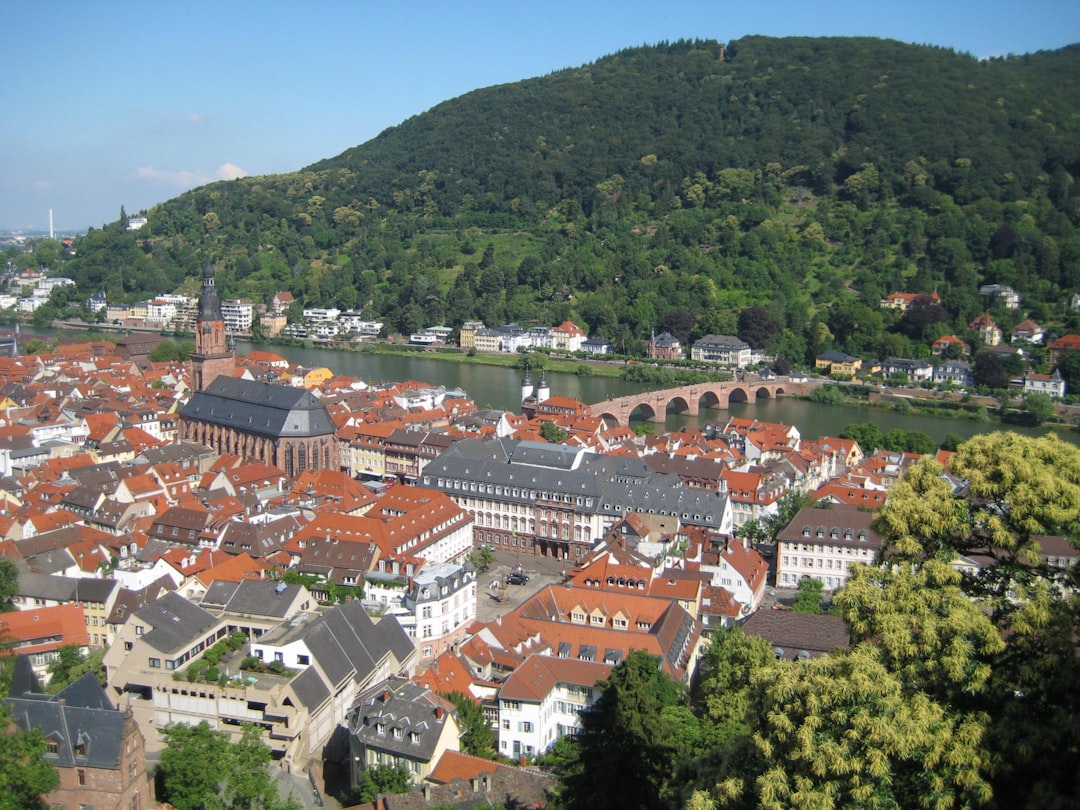
Ruins crown the hill above the Neckar — red sandstone and Renaissance grandeur, half restored, half surrendered to ivy and time. The view from the Alte Brücke at sunset is the one the Romantics never stopped painting.
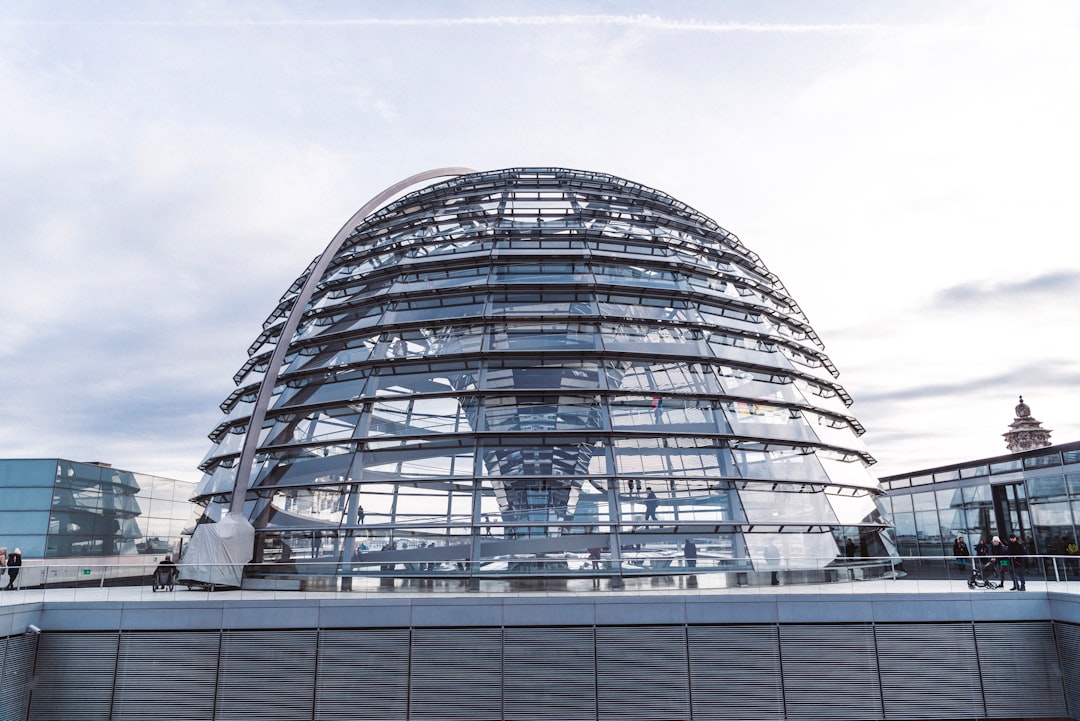
Norman Foster's glass dome caps the restored parliament — a spiral walk above the chamber where democracy is debated, with Berlin spread out in every direction. Book at dusk and the city lights ignite as you climb.
The Romantische Straße winds from Würzburg to Füssen through half-timbered villages, walled towns, and castle silhouettes. Rothenburg ob der Tauber alone — with its intact medieval core and Christmas shops — could justify the whole journey.
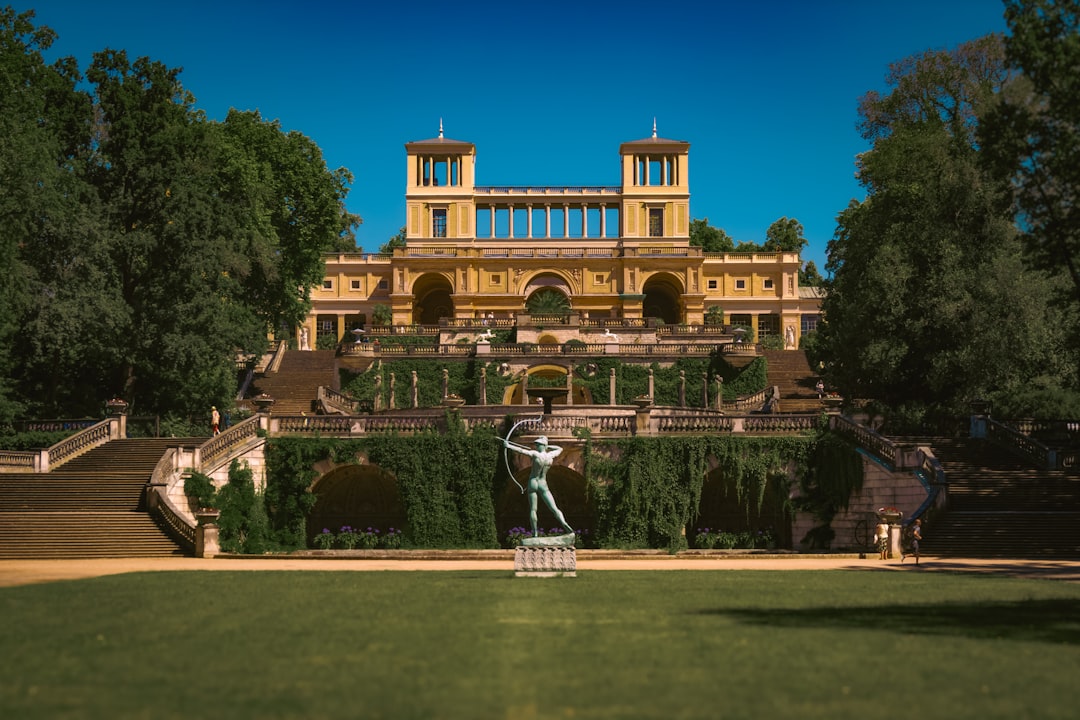
Frederick the Great's summer escape rises above terraced vineyards in Potsdam — rococo in stone, a place where philosophy and gardens met. Stroll the park and you understand why he wanted to be buried here, among his dogs and his vines.